

 info@cultbooking.com
  0049 30 726225 0
Image from Pexels
In hospitality, partnerships aren’t a nice extra—they’re a growth engine. The strongest hotels don’t operate like islands. They act like hubs, connected to restaurants, venues, tour operators, employers, universities, and community organizations that shape why people visit in the first place. When you build the right relationships locally, you don’t just fill rooms—you improve the guest experience, stabilize demand, and create repeat business that doesn’t rely solely on OTAs.
The partnership mindset
A good partnership is simple: shared audience + shared value + shared execution.
Start with the “guest journey map,” not a random list of businesses
Partnerships work best when they match what guests already need. Think through a guest’s stay from arrival to departure and ask: where do we influence the experience, and who already owns that part?
High-fit partnership categories:
- Transportation (airport shuttles, rideshare perks, car services)
- Food and beverage (restaurants, coffee shops, local makers)
- Experiences (museums, tours, attractions, outdoor guides)
- Events (wedding venues, conference centres, arenas)
- Wellness (spas, gyms, yoga studios, clinics)
- Business travel (local employers, recruiters, visiting teams)
 Strengthen relationships through community presence
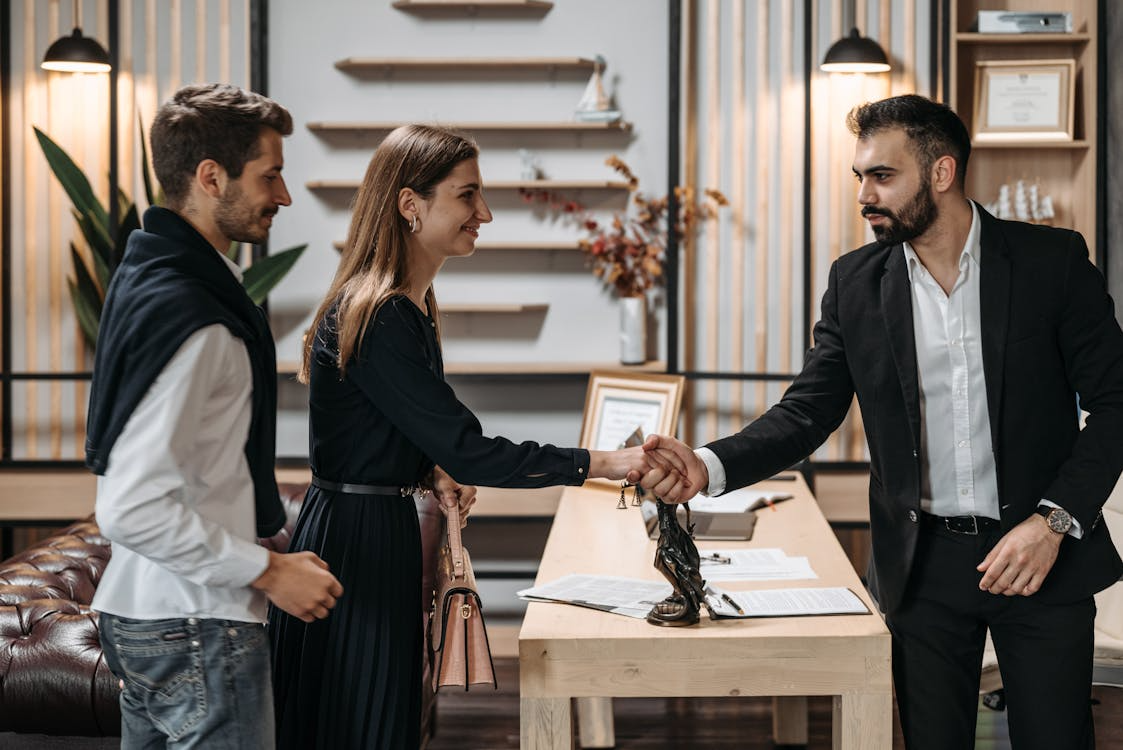
Hotels that show up locally get remembered locally—by business owners, event planners, and residents who influence where visitors stay. And in hospitality, being “top of mind” is half the battle. The best partnerships often come from visibility and goodwill, not cold outreach, because people prefer to work with properties they already recognize and trust.
Ways to show up:
- Attend chamber of commerce events and tourism board meetings
- Sponsor a local event that matches your guest base
- Host a quarterly “local partner night” at your property
- Offer your space for community gatherings (when feasible)
Consistency beats splash. You’re not trying to make a one-time impression—you’re building familiarity, and familiarity becomes trust. Over time, that trust turns into referrals, repeat collaborations, and partnerships that feel natural instead of transactional.
Build “packages” that are easy to say yes to
A partnership gets traction when it’s obvious, trackable, and low-lift.
Examples that work in hotels:
- Stay + dinner credit at a partner restaurant
- Weekend getaway bundle with local tickets or tours
- Wedding room blocks paired with a venue or florist
- Corporate rates tied to nearby employers and offices
- “Local perks” card for guests (discounts, priority seating, small add-ons)
Keep it clean: one page, clear terms, clear benefit for both sides.
Skill up for collaboration through education
Strong partnerships require real business skills: communication that earns trust, negotiation that feels fair, and leadership that keeps agreements running smoothly. If you want to sharpen those capabilities in a structured way, look at these options for business degrees that can support your growth.
Online learning can be especially helpful in hospitality because it can fit around rotating schedules and peak seasons:
- Learn on a flexible schedule while working full-time
- Build communication and negotiation skills you can use immediately
- Strengthen leadership for managing teams and stakeholder relationships
- Gain business fundamentals that make partnerships more profitable and sustainable
Make it mutual, not one-sided
Local businesses get approached constantly. If your pitch is “send us your customers,” you’ll lose them. Your offer needs to help them too.
Ways to make it mutually beneficial:
- Feature them in-room or in your lobby (menus, QR codes, signage)
- Include them in your confirmation emails or concierge recommendations
- Host joint events (tastings, pop-ups, seasonal showcases)
- Share content and tag each other online
- Refer staff and visitors their way consistently
The goal is a relationship that feels like collaboration, not extraction.
Create a simple partnership outreach script
A lot of partnerships fail because the “ask” is fuzzy. Be specific.
A strong outreach includes:
- Who your guests are (and when they come)
- The shared audience overlap
- The simple offer idea (package, referral, event, perk)
- How you’ll track it (code, landing page, front-desk note)
- A next step (15-minute call, coffee, quick tour)
Don’t overthink it. The first conversation is just to find fit.
Build internal systems so partnerships don’t die at the front desk
Even great partnerships fall apart if your staff can’t explain them, book them, or remember them.
Operational basics:
- A one-page partner sheet at the front desk
- Staff training: what it is, who it’s for, how to offer it
- A monthly check-in to review what’s working
- A tracking method (promo codes, referral log, package bookings)
Partnerships are only real when they’re executed consistently.
Measure what matters so you know what to scale
Keep metrics simple. You’re looking for repeatable wins.
Track:
- Room nights attributed to partners (codes, blocks, referrals)
- Package redemption rates
- Guest satisfaction mentions tied to partner experiences
- Partner referrals back to you
- Revenue impact (direct bookings, ancillary spend)
If it’s working, formalize it. If it’s not, refine or drop it.
Quick checklist for stronger local hotel partnerships
☐ Map partnerships to the guest journey (arrival → stay → experiences → departure)
☐ Create 1–2 simple packages with clear mutual value
☐ Build an outreach script and start with 10 ideal partners
☐ Train staff and create a one-page partner playbook
☐ Track results monthly and double down on what performs
☐ Show up locally so partnerships form naturally over time
Before you go
In hospitality, local partnerships are one of the most practical ways to stand out and stabilize demand. When you align partners with the guest journey, create easy-to-execute offers, and build internal systems to support them, relationships turn into revenue—and guests feel the difference. Start small, keep it mutual, and measure what works. Over time, your hotel becomes more than a place to stay—it becomes part of the destination.